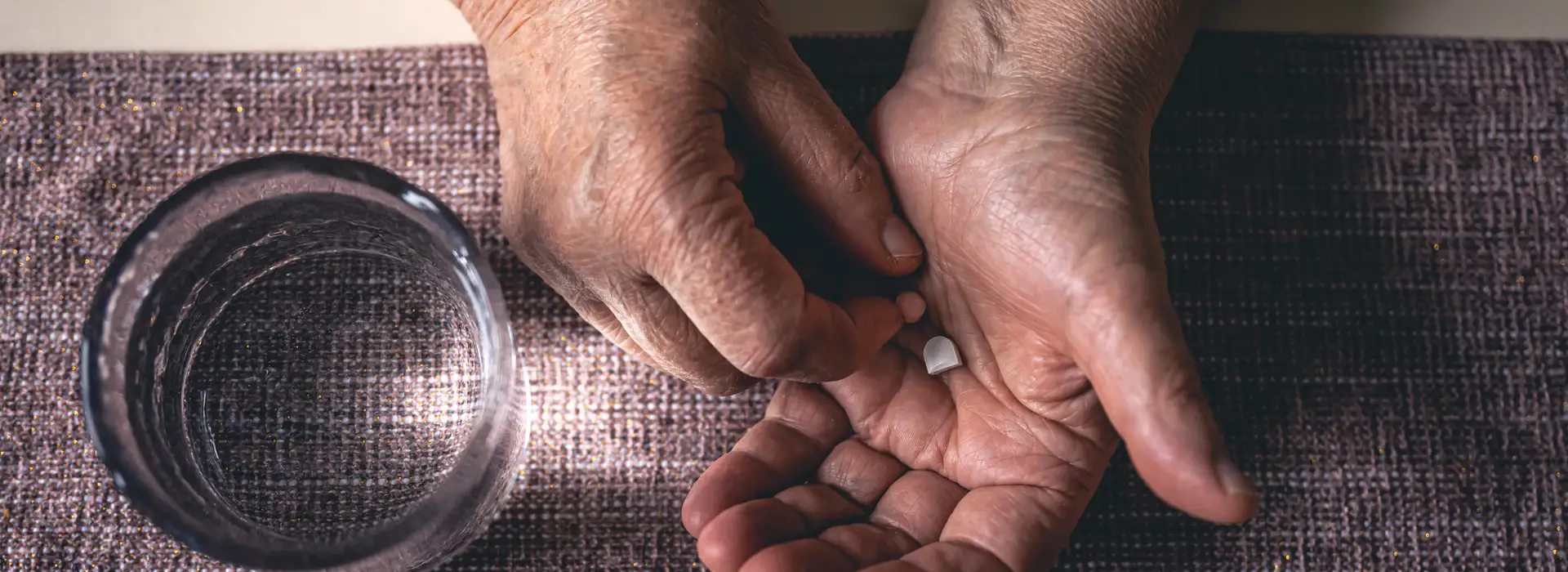
When you stop drinking after heavy or long-term alcohol use, your body reacts in different ways. Alcohol withdrawal symptoms happen because your brain and nervous system have gotten used to alcohol and have to readjust when it’s suddenly gone. These changes can bring both physical and emotional discomfort, sometimes mild, sometimes a whole lot worse.
What Are Alcohol Withdrawal Symptoms?
When you quit or sharply cut back after a long stretch of heavy drinking or alcohol use, your body reacts to the missing alcohol. These reactions, known as alcohol withdrawal symptoms, can appear in your body, your mood, and your thinking.
For some people, symptoms of alcohol withdrawal are mild and uncomfortable; for others, they can become dangerous or even life-threatening. What you experience depends on how much and how often you drank, and whether you developed alcohol dependence or an alcohol use disorder.
Physical Symptoms of Alcohol Withdrawal
Physical symptoms usually begin within 6 to 12 hours after your last drink. Early symptoms of withdrawal may include tremors, sweating, headaches, nausea, and a rapid heartbeat. Your heart rate and blood pressure can spike as your nervous system overreacts to the sudden absence of alcohol.
For some, symptoms may escalate. Seizures or hallucinations can occur, which are serious warning signs that need immediate medical attention. These reactions happen because your central nervous system is trying to rebalance after being slowed down by drinking alcohol. People with alcohol use disorder or long-term dependence are especially at risk.
Other common issues include insomnia, fatigue, and muscle pain. These mild symptoms often improve within a few days, though they may last longer depending on how much alcohol was in your system.
Psychological Symptoms of Alcohol Withdrawal
The psychological side of withdrawal can be just as difficult. Many people experience anxiety, irritability, or depression as part of alcohol withdrawal syndrome. Restlessness, mood swings, and difficulty concentrating are also common as your brain’s chemistry tries to recover from the effects of alcohol.
Sleep disruption is another frequent struggle. You might have trouble falling asleep, wake often, or experience vivid, unsettling dreams. These symptoms occur because your brain is adjusting to function without alcohol’s sedative effect. In some cases, hallucination or confusion may develop, especially within 48 hours after your last drink.
Severity Levels of Withdrawal
The severity of withdrawal depends on how much alcohol you consumed and for how long. Mild alcohol withdrawal may bring tremors, sweating, nausea, or headaches. Moderate to severe symptoms include confusion, fever, rapid heartbeat, or worsening agitation.
At the extreme end is delirium tremens (DTs), a life-threatening form of alcohol withdrawal that typically appears from 48 to 72 hours after the last drink. DTs may cause seizures, severe hallucination, or disorientation.
Because the severity of withdrawal can escalate quickly, anyone who experiences serious symptoms should seek immediate medical attention.

Timeline of Alcohol Withdrawal Symptoms
Alcohol withdrawal unfolds in stages that reflect how your body and brain respond once you stop drinking alcohol. Symptoms can appear within hours after your last drink, peak over the next few days, and may last for weeks or even months.
Early Withdrawal Phase
The first stage often begins about 6 to 12 hours after your last drink. Early alcohol withdrawal symptoms may include headaches, anxiety, tremors, nausea, and insomnia. These are clear signs that your central nervous system is becoming hyperactive without alcohol’s calming effect.
For people with alcohol use disorder or alcohol dependence, this phase can feel intense. Your heart rate and blood pressure might rise, and symptoms may worsen within 24 to 48 hours if you’ve had heavy alcohol use over a long period.
Although many people can still function during this phase, close monitoring helps prevent severe symptoms from developing.
Acute Withdrawal Phase
The acute phase often occurs 24 to 72 hours after your last drink, when symptoms usually peak. This is the most critical stage of alcohol withdrawal syndrome, marked by severe tremors, confusion, and sometimes hallucination or alcohol withdrawal seizures.
These effects of alcohol withdrawal reflect your nervous system’s struggle to find balance after prolonged alcohol use. This phase is where medical supervision matters most.
Post-Acute Withdrawal Syndrome (PAWS)
Even after the most dangerous period passes, some people continue to experience withdrawal symptoms for weeks or months. This is called post-acute withdrawal syndrome, or PAWS.
It’s a form of alcohol withdrawal that involves ongoing mood swings, fatigue, sleep problems, and concentration difficulties. These symptoms of withdrawal can come and go, sometimes appearing out of nowhere, especially during stress or emotional challenges.

What Causes Alcohol Withdrawal Syndrome?
The risk of alcohol withdrawal depends on how much and how often you drink, as well as your body’s overall health and sensitivity to alcohol. Long-term heavy drinking gradually rewires the brain and body, so when alcohol intake stops suddenly, the system goes into shock.
Here are some of the causes of alcohol withdrawal syndrome:
Alcohol Dependence and Heavy Drinking
When someone drinks heavily or for an extended period, the body adapts to alcohol’s depressant effects on the central nervous system.
Once the alcohol is removed, the system overcompensates and becomes overly active, leading to symptoms like tremors, anxiety, and sometimes seizures. The longer and heavier the drinking pattern, the greater the risk of severe withdrawal.
The U.S. National Institute on Alcohol Abuse and Alcoholism (NIAAA) generally defines heavy drinking as more than 15 drinks per week for men or more than eight for women. People who drink more frequently are more likely to be more dependent on alcohol and experience more severe withdrawal symptoms.
Drinking History and Genetics
Your personal history with alcohol plays a major role in how withdrawal unfolds. Years of heavy or consistent drinking cause your brain, liver, and nervous system to adapt to alcohol’s constant presence. When that’s suddenly taken away, your body has to relearn how to function on its own.
Genetics also plays a part in the severity of alcohol withdrawal. A family history of alcohol misuse or dependence can make you more prone to developing similar patterns. Some genes influence how quickly your body processes alcohol or how sensitive your brain is to its effects.
Older adults, or anyone who has gone through alcohol withdrawal before, face higher risks for serious complications. Repeated withdrawal episodes can also make future detox attempts more difficult.
Electrolyte Imbalances and Health Conditions
Existing health problems can make alcohol withdrawal more complicated and dangerous. Conditions such as liver disease, heart problems, or brain injuries can interfere with how your body responds to detox.
Low levels of essential minerals can cause confusion, muscle weakness, or irregular heartbeats. These imbalances often occur in people who drink heavily without proper nutrition or hydration.
Dehydration and poor liver function increase the risk of severe withdrawal, so addressing these problems early helps make detoxification safer and recovery smoother.

Diagnosing Alcohol Withdrawal
Since withdrawal can range from mild discomfort to serious medical emergencies, an accurate diagnosis is key to ensuring safety and effective care.
The process usually begins with a detailed discussion about drinking habits. This information helps clinicians estimate the risk of withdrawal and anticipate possible complications. A physical exam often follows, which checks for early indicators that the body is reacting to the absence of alcohol.
To make the assessment more precise, healthcare professionals often use the Clinical Institute Withdrawal Assessment for Alcohol, Revised (CIWA-Ar). This tool measures ten common withdrawal symptoms, and the total score helps gauge severity. Regular reassessment using CIWA-Ar helps ensure that treatment keeps pace with changing symptoms.
Throughout diagnosis and treatment, patients are kept under medical supervision so healthcare providers can quickly address any warning signs.
Managing Alcohol Withdrawal
Management of alcohol withdrawal syndrome requires careful medical attention and close monitoring. Alcohol withdrawal treatment combines various approaches to restore balance and strength.
Detoxification and Medical Supervision
Detoxification is the first step toward recovery. It involves clearing alcohol from your body under medical supervision to minimize risks. Withdrawal can become unpredictable, but supervision helps make sure that any changes in your condition are addressed immediately.
It’s important to have full professional supervision during detox. Without professional help, it can be difficult to ensure your safety. Healthcare professionals have access to the proper tools and can adjust your treatment as needed to make this process more manageable.
Medications for Withdrawal
Medications are often used to make withdrawal safer and more comfortable. Benzodiazepines, such as chlordiazepoxide (Librium) and lorazepam (Ativan), are commonly prescribed to ease anxiety, calm tremors, and reduce the risk of seizures.
Doctors carefully adjust dosages depending on how your body responds. For those with liver concerns, shorter-acting medications like lorazepam may be preferred.
In some cases, other medications such as anticonvulsants or beta-blockers are added to help regulate heart rate, prevent seizures, or stabilize blood pressure. Because these drugs can have side effects, they should only be taken under professional supervision. The right medication plan can make the difference between a difficult withdrawal and a safe, steady recovery.
Nutritional Support and Supplements
Chronic alcohol use can deplete vital nutrients, so nutritional support is important for recovery. During withdrawal, patients often receive supplements such as thiamine (vitamin B1) to prevent brain-related complications like Wernicke-Korsakoff syndrome. Folate, magnesium, and zinc may also be replenished to support healthy nerve and muscle function.
In hospital settings, intravenous vitamins are sometimes given to ensure full absorption. Proper nourishment can help with physical recovery while supporting mood and mental clarity during detox.
Managing Complications
While most people experience mild to moderate symptoms, severe alcohol withdrawal can lead to life-threatening complications such as delirium tremens, seizures, or extreme dehydration. If these occur, immediate medical attention is critical.
Doctors closely monitor patients to catch any early physical and mental warning signs. Treatments may include IV fluids, oxygen therapy, and medications to control symptoms and stabilize vital functions.
Early intervention and constant observation greatly reduce the risk of serious outcomes.

Long-Term Recovery and Relapse Prevention
Recovery is an ongoing process. Staying sober for the long haul means learning to care for both your body and your mind.
Therapy and Professional Support
Working with compassionate professionals can help you understand the reasons behind your drinking and teach you healthier ways to cope.
Therapy, especially cognitive-behavioral therapy (CBT), helps you recognize the thoughts and patterns that can lead to relapse. It can help give you practical strategies to handle these thoughts and patterns differently. Additionally, motivational interviewing (MI) can strengthen your confidence and motivation to stay on track, even when things get tough.
Recent research supports this approach. One study examining the combined effects of MI and CBT found that participants who received weekly MI-CBT sessions for eight weeks showed significant improvements in their ability to refuse alcohol and greater awareness of the costs of drinking. The intervention helped reduce problem-drinking behaviors while increasing self-efficacy.
Support Groups and Alcoholics Anonymous
Peer support can be one of the most powerful parts of recovery. Support groups like Alcoholics Anonymous (AA) offer a safe space to connect with others who truly understand what you’re going through.
Many treatment programs encourage combining AA meetings with therapy to create a stronger foundation for sobriety. The AA sponsorship system also connects you with someone sober longer. You’ll have someone to lean on when you need advice or reassurance.
Relapse Prevention Strategies
Relapse prevention also involves knowing yourself and planning. Understanding your triggers, whether they’re emotional, social, or environmental, helps you prepare healthier responses before cravings arise.
For example, mindfulness techniques or journaling can calm your mind during moments of stress. Bringing a trusted friend to social gatherings or changing your routine to avoid high-risk places can also help you stay focused on recovery.
Most importantly, keep revisiting your plan. Recovery isn’t static, and your needs will evolve. This means your strategies should change over time, too. Staying aware and flexible helps you stay ahead of temptation and reinforces your commitment to a healthier life.
Sobriety and Lifestyle Changes
Building a balanced lifestyle through nutritious meals, regular exercise, and quality sleep helps your body heal and restores your natural energy. Finding joy in new hobbies or reconnecting with passions that don’t revolve around alcohol can give your life a renewed sense of meaning.
Keep in touch with your recovery network and continue therapy or support groups as needed. Long-term withdrawal symptoms, such as mood swings or fatigue, can resurface under stress, so patience and consistency are essential.

Alcohol Withdrawal Treatment at Twilight Recovery
Choosing to get help for alcohol withdrawal is a courageous first step. At Twilight Recovery, you have a team that will support you every step of the way.
Our team creates a safe, medically supervised environment where healing begins the moment you walk through our doors. Our detox program helps your body recover comfortably and safely, while our therapists and support staff work with you to slowly rebuild your life.
If you or someone you love is struggling with alcohol withdrawal, it’s never too late to reach out. Let Twilight Recovery help you take that first step toward freedom.
Frequently Asked Questions
Can alcohol withdrawal happen even if I’m not a heavy drinker?
Yes, alcohol withdrawal can occur even if you’re not drinking excessively every day. What matters is how consistently your body has relied on alcohol over time. If you’ve been drinking regularly and suddenly stop, your body may still react.
What’s the safest way to stop drinking alcohol if I’ve been drinking for years?
The safest way to stop is gradually and under medical supervision. Stopping alcohol suddenly after long-term use can cause dangerous withdrawal symptoms like seizures or delirium tremens. A healthcare provider can help create a tapering plan and monitor your progress.
How long does it take to fully recover from alcohol withdrawal?
For most people, acute symptoms ease within a week, but full recovery can take longer. Your body and brain may need weeks or even months to fully adjust after long-term alcohol use. Staying patient and following a professional recovery plan helps speed up the healing process.
What happens if I relapse after detox?
Relapse is common and doesn’t mean failure. It means you’re still learning what works for you. It’s important to reach out for help right away since early intervention can prevent a full relapse and get you back on track.
Can alcohol withdrawal affect mental health long-term?
Yes, prolonged alcohol use changes brain chemistry, which can affect mood and cognition during and after withdrawal. Some people experience anxiety or depression for weeks or months after quitting.
How can I support a loved one going through alcohol withdrawal?
The best thing you can do is encourage them to seek medical help and offer emotional support without judgment. Withdrawal can be frightening, so your patience and understanding make a big difference