If you’ve ever tried to cut back on drinking or have struggled with alcohol addiction, you know that cravings can appear at the worst times and feel almost impossible to resist. What you might not realize is that your diet can play a surprisingly powerful role in managing these urges.
Certain foods that reduce alcohol cravings can help you feel more balanced and in control as you work toward your goals. Let’s take a closer look.
Lean Proteins to Help Reduce Alcohol Cravings
Incorporating plenty of lean protein into your diet provides the amino acids your body needs to produce brain chemicals that regulate mood, manage hunger, and curb cravings.
Lean Meats for Mood Support
Lean meats, including chicken, turkey, and fish, provide complete proteins including all essential amino acids, which support neurotransmitter production, regulate mood, and reduce cravings.
Adequate protein supports brain function, mood stability, and blood sugar balance, reducing the likelihood of turning to alcohol for energy or stress relief. Grilled, baked, or roasted preparations keep fat content low while maximizing protein intake.
Plant-Based Proteins for Stability
Lentils, beans, and chickpeas deliver protein and fiber, releasing glucose gradually to prevent energy spikes and crashes. When paired with grains such as rice or quinoa, legumes provide a complete protein, ensuring the brain receives all essential amino acids for brain chemical production.
Including a variety of plant-based proteins in your meals supports mood stability, sustains steady energy throughout the day, and helps reduce the urge to reach for alcohol or sugary snacks.
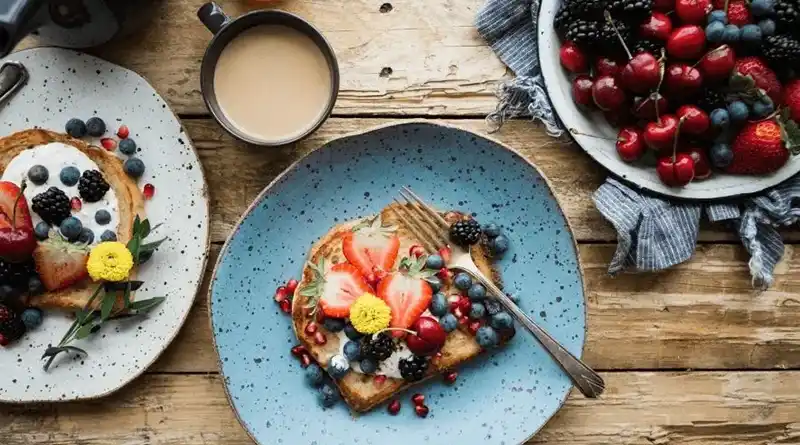
Eggs as a High-Quality Nutrient Source
Eggs are a versatile source of complete protein, containing all essential amino acids necessary for brain chemical balance. Starting the day with eggs, whether boiled, scrambled, or poached, can help maintain steady energy, regulate blood sugar, and reduce cravings for alcohol.
Pairing eggs with vegetables or whole grains adds fiber and additional nutrients, enhancing satiety and supporting mood stability, further strengthening both physical and mental resilience.
Whole Grains and Complex Carbohydrates for Stability
Foods rich in complex carbohydrates and whole grains provide long-lasting energy and help maintain balanced blood sugar levels. Because they digest slowly, these foods keep you full longer, reducing the likelihood of reaching for alcohol or sweets as a quick energy fix.
Benefits of Whole Grains
Whole grains such as brown rice, oats, and whole wheat bread release glucose gradually, preventing energy spikes and crashes that often trigger cravings. They also deliver B vitamins, magnesium, and fiber, which support energy production, brain health, and overall stability throughout the day.
Oats help you feel full and sustain steady energy, brown rice supports healthy muscle and nerve function, and quinoa contributes to tissue repair and efficient oxygen transport.
Vegetables That Help Curb Cravings
Vegetables such as sweet potatoes, broccoli, and leafy greens provide fiber and complex carbohydrates that maintain blood sugar levels and reduce energy decline.
Hydrating vegetables such as cucumbers and watermelon supports fluid balance, which is essential for cognitive function and controlling urges. Filling half your plate with colorful vegetables delivers vitamins, minerals, and antioxidants that support energy and digestion.
Complex Carbohydrates For Stabilizing Mood
Complex carbohydrates assist serotonin production, a neurotransmitter critical for mood regulation and appetite control. Foods like whole grains, legumes, and starchy vegetables provide a steady supply of glucose, which lessens irritability and mood swings.
Combining starches with protein and healthy fats, such as oatmeal with nuts or brown rice with beans, further stabilizes energy and helps prevent cravings.

Healthy Fats to Curb Alcohol Cravings
Incorporating healthy fats into your meals helps stabilize brain chemistry, prolongs feelings of fullness, and supports overall mood and mental clarity, which can all help curb cravings.
Avocados for Brain Health
Avocados are rich in monounsaturated fats, which help maintain steady blood sugar levels and prevent sudden hunger. They also provide vitamin B6 and magnesium, key nutrients that support brain chemical balance, reduce stress, and promote cognitive function.
Eating half an avocado with each meal can boost satiety and support mood stability. Avocados can be sliced and added to salads, blended into smoothies, or spread on whole-grain toast.
Nuts and Seeds as Nutritional Snacks
Nuts and seeds, such as almonds and sunflower seeds, offer a nutrient-rich combination of protein, healthy fats, and fiber, which helps sustain energy and balance mood, lessening cravings.
Choosing raw or unsalted varieties ensures added sugar and sodium are low. Easy snack ideas include mixing almonds, walnuts, and pumpkin seeds, sprinkling flaxseeds over yogurt or oatmeal, or spreading almond butter on apple slices for a satisfying, nutrient-dense treat.
Omega-3 Fatty Acids for Balance
Omega-3 fatty acids are crucial for maintaining brain health and regulating mood. Rich dietary choices include fatty fish such as salmon and sardines, as well as flaxseeds, chia seeds, and walnuts.
Regularly incorporating omega-3s into your meals can improve focus, reduce anxiety, enhance memory and cognitive performance, and promote more stable energy levels throughout the day. By supporting emotional balance and brain function, omega-3s make it easier to manage cravings.

Magnesium-Rich Foods for Stress Reduction
Magnesium supports the nervous system and helps the body manage stress, which can relieve cravings and promote emotional balance. Including magnesium-rich foods in your diet also supports muscle relaxation, energy production, and overall well-being.
Spinach and Other Leafy Greens
Spinach is a top source of magnesium, with one cup of cooked spinach providing about 150 milligrams. Magnesium helps support nerve function and keep muscles relaxed, lowering stress and tension.
Adding spinach to salads, omelets, or smoothies is a convenient way to boost nutrient intake. Kale and Swiss chard are also rich in magnesium and antioxidants, which help protect cells from stress and support overall mood stability.
Bananas as a Convenient Magnesium Source
Bananas provide magnesium and potassium, both of which support healthy nerve and muscle function. A medium banana contains about 30 milligrams of magnesium.
The natural carbohydrates in bananas also support serotonin production, which can improve mood and reduce anxiety. Bananas are versatile and can be eaten on their own, paired with nut butter, or blended into smoothies for a quick boost of magnesium.
Other Magnesium-Rich Foods
Almonds, cashews, pumpkin seeds, chia seeds, flaxseeds, and whole grains such as quinoa, oats, and brown rice are excellent sources of magnesium. Many of these foods also provide fiber and healthy fats, which help steady blood sugar and promote prolonged satiety.
Including a variety of magnesium-rich foods in meals and snacks can help calm the mind, improve sleep quality, and reduce stress-related cravings.
Antioxidant-Rich Foods to Support Recovery
Antioxidant-rich foods help the body recover by protecting cells and supporting brain and immune health. These foods can also stabilize mood, support energy balance, and help alleviate cravings during recovery from alcohol use or stress.
Berries for Brain and Immune Support
Blueberries, strawberries, and raspberries are packed with antioxidants, especially anthocyanins, which protect brain cells from damage and support cognitive function. Berries also provide vitamin C and fiber, helping in digestion, immunity, and blood sugar regulation.
Adding fresh or frozen berries to yogurt, oatmeal, or smoothies provides natural sweetness and can help curb sugar cravings while boosting nutrient intake.
Dark Chocolate for a Healthy Treat
Dark chocolate with at least 70% cocoa contains flavonoids, a type of antioxidant that supports brain function and reduces inflammation. A small piece after a meal can satisfy sweet cravings while providing magnesium, which helps relax the nervous system and promote mood stability.
Enjoying dark chocolate in moderation is important, as consuming too much sugar or caffeine from chocolate can interfere with sleep, increase anxiety, and potentially trigger cravings.
Citrus Fruits for Detox and Gut Health
Oranges, grapefruits, and lemons are rich in vitamin C, which supports liver function, aids detoxification, and strengthens the immune system. Consuming citrus as slices, juice, or added to water helps maintain hydration and electrolyte balance.
Incorporating vitamin C-rich fruits during recovery supports overall wellness by protecting cells from oxidative stress and helps the body process toxins efficiently.

How Certain Foods That Reduce Alcohol Cravings Work
What you eat influences how your body and brain respond to cravings for alcohol. While no single food can eliminate the urge to drink, maintaining consistent, nutrient-rich eating habits can make cravings more manageable, support healing, and overall well-being.
Blood Sugar Balance and Craving Control
Fluctuating blood sugar can lead to cravings that feel stronger and harder to resist. When glucose levels drop, the body naturally searches for quick energy, and alcohol can seem like a fast solution. Keeping blood sugar steady helps prevent those highs and lows that often lead to urges.
Eating complex carbohydrates provides a slow and steady release of energy. Pairing them with protein-rich foods helps maintain fullness and reduce sugar swings. Regular meals and balanced snacks throughout the day can stabilize energy and make cravings more manageable.
Brain Chemistry and Neurotransmitter Support
Alcohol can interfere with brain chemicals like dopamine and serotonin, which influence mood, motivation, and reward. When these chemicals become unbalanced, the brain may crave alcohol to feel normal again. Supporting healthy neurotransmitter function can help ease this cycle.
Amino acids from foods such as fish, eggs, tofu, and legumes help the brain produce essential chemical messengers. Nutrients like tryptophan and tyrosine contribute to the production of serotonin and dopamine, while vitamin B6 supports overall brain function.
Mood Stability and Long-Term Brain Health
Emotional well-being plays a major role in how cravings appear and how intense they feel. Stress, fatigue, depression, or anxiety can make it harder to resist alcohol, while nutrient-dense meals help create a sense of calm and resilience.
Foods rich in omega-3 fatty acids nourish the brain and support a stable mood. Antioxidant-rich fruits and vegetables protect brain cells from damage and promote recovery. Staying hydrated and eating whole, nutritious foods strengthens both mind and body, making it easier to maintain progress.
Practical Tips to Stop Alcohol Cravings Effectively
Overcoming alcohol cravings requires more than just willpower. Establishing consistent habits, eating a balanced diet, and maintaining supportive routines are essential. The strategies below offer practical steps to guide you on your healing journey:
Plan Balanced Meals
Eating regular, balanced meals helps maintain steady blood sugar levels, which can reduce irritability and curb alcohol cravings. Aim for three meals a day, with one or two nutrient-rich snacks. Include a variety of colors, textures, and food groups to ensure adequate nutrients for brain health and mood regulation. Preparing meals at home allows better control over ingredients and portion sizes.
Choose Smart Snacks
Strategic snacking between meals can prevent hunger spikes that may trigger cravings. Options include Greek yogurt with fruit, apple slices with nut butter, or a small handful of nuts. Keeping healthy snacks accessible at work, in your car, or at home ensures better choices. Avoid sugary or highly processed snacks, as they can cause rapid blood sugar changes and worsen cravings.
Stay Hydrated
Dehydration can simulate feelings of hunger or stress, increasing the desire for alcohol. Drinking enough water supports detoxification, energy levels, and overall well-being. Drink at least eight cups of water a day. Herbal teas, water with lemon or cucumber, or sparkling water can make hydration more enjoyable. Reducing caffeine and sugary beverages also helps maintain hydration.
Manage Triggers
Stress, social situations, and emotional cues can increase the risk of relapse. Developing coping strategies such as mindfulness exercises, journaling, physical activity, or deep-breathing techniques can help reduce the impact of triggers. Planning how to respond and practicing refusal skills or distraction methods strengthens self-control and supports sustained abstinence.

Join Support Groups
Connecting with peers who understand the recovery process provides encouragement, accountability, and shared strategies for coping with cravings. Support groups such as Alcoholics Anonymous foster a sense of community and reduce feelings of isolation. Regular participation can reinforce healthy habits and provide practical tips for managing cravings and daily challenges.
Seek Professional Support
Professional support provides essential assistance for recovery. Medical detox ensures safe withdrawal from alcohol under supervision, while therapy addresses underlying factors that contribute to alcohol abuse. Combining professional guidance with nutrition, lifestyle adjustments, and social connection increases the likelihood of sustained sobriety and overall well-being.
Get Help with Alcohol Abuse and Addiction
If you or a loved one is struggling with alcohol addiction or cravings, Twilight Recovery is here to help. We offer comprehensive addiction and mental health treatment plans tailored to individual needs.
Our luxury rehab center welcomes those ready to begin their recovery journey and supports families seeking help for someone who isn’t yet fully prepared.
Our experienced team deeply understands the challenges of addiction and the courage it takes to seek help. Reach out today and let us guide you toward hope, healing, and lasting sobriety.
Frequently Asked Questions
What dietary changes can help alleviate the desire for alcohol?
A balanced diet rich in low-fat proteins, whole grains, fruits, and vegetables helps stabilize energy levels and curb hunger-driven alcohol cravings. Consuming high-fiber foods and minimizing processed sugars further reduces the desire to drink.
Which vitamins and minerals are effective in reducing the urge to drink?
B vitamins, particularly B6 and B12, support brain health and mood regulation, while magnesium and zinc aid neurotransmitter balance and stress reduction, collectively helping lower alcohol cravings. Bananas, chickpeas, and leafy greens are also excellent sources.
Are there specific foods known to support liver detoxification from alcohol?
Antioxidant-rich foods such as berries, spinach, and cruciferous vegetables help the liver break down toxins more effectively. Meanwhile, fermented foods like yogurt and sauerkraut improve gut health, which in turn enhances overall liver function and recovery.
How does blood sugar regulation impact alcohol craving reduction?
Maintaining stable blood sugar levels helps prevent fatigue, mood swings, and irritability, which are common triggers for cravings. Eating balanced meals and snacks regularly keeps steady energy levels and reduces the likelihood of reaching for alcohol as a quick fix.
What role do amino acids play in managing alcohol dependence?
Amino acids from protein-rich foods such as fish, eggs, and legumes are essential for producing brain chemicals like dopamine and serotonin, which regulate mood and reward signals, making it easier to manage alcohol dependence.
Can hydration levels influence the frequency of alcohol cravings?
Proper hydration helps prevent fatigue and discomfort that can be mistaken for alcohol cravings. Drinking water regularly supports detoxification, maintains stable energy, and reduces the likelihood of confusing thirst with the desire to drink.